CAPP's Program
CAPP’s Mission
To rescue and place homeless companion animals in loving homes, and to provide assistance and education regarding companion animals to current, prospective and new owners as well as to the general public.
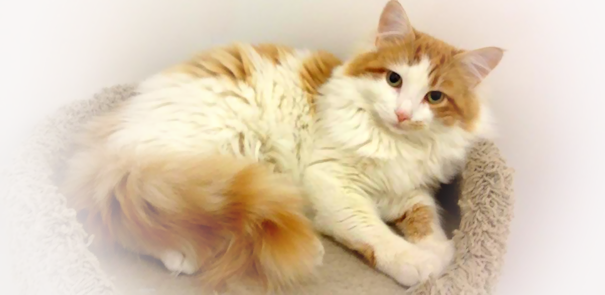
Meeting the Pets
CAPP has no central shelter location and most of our pets are in foster
homes, so they can only be seen at pet adoption clinics or by appointment
to approved applicants. Exceptions are adult cats and, occasionally,
kittens, who can be seen at the Healthy Pet Center on Route 4 in North
Greenbush (1/2 mile south of Hudson Valley Community College) during
regular business hours.
General Adoption Guidelines
There
is an application and screening process, as well as a non-refundable
fee, associated with the adoption of a CAPP pet. Since many CAPP pets
have a history of neglect or abuse, or have been casually discarded by
a former owner, our thorough screening process helps to ensure
that they are placed in appropriate, permanent homes. To meet some
of our pets, come and talk to our volunteers at CAPP pet adoption
clinics. However, anyone interested in adopting a CAPP pet must
complete and submit our Pet Adoption Application before
we can begin the screening process. Generally, the process requires:
- Individuals applying to adopt
a CAPP pet must be at least 18 years old.
- CAPP’s screening process
does not generally allow adoption approval the same day an application
is received. We carefully review each application, keeping the
pet’s best interests in mind. Since most CAPP pets are fostered,
we know them best and are aware of the type of home each
one requires.
- Because we strive to match a pet with the right household, applying to adopt
a CAPP pet does not insure approval.
- All CAPP pets
are neutered and receive appropriate veterinary care prior to placement.
- CAPP volunteers
conduct home visits, so placements are limited to within an hour’s
drive of Albany, New York. Any exceptions, generally for pets with
special needs, will be specifically noted in a pet’s
description. (Potential adopters outside our placement area are encouraged
to check with animal shelters or rescue groups in their
local areas.)
- CAPP does not place senior dogs,
or dogs of 35 pounds or less, in households where children under 8 years of
age either live or visit frequently, since both are fragile and their safety
is our first priority.
- There is a three-week trial foster period prior to the
final adoption of most CAPP pets. This trial period is an opportunity to insure
that it is the right match for all involved.
- CAPP helps to make adoptions permanent
by offering support to new pet owners (e.g., crate training, housebreaking,
and new pet introduction brochures, as well as specific problem-solving tips).
- CAPP makes a lifetime
commitment to the animals in its care. If for any reason an adoptor cannot
keep a pet, the adoption contract requires that it be returned to CAPP.
Adoption Fees
There is a non-refundable fee for each adoption to help cover our costs, primarily
for veterinary care*. All CAPP animals receive appropriate inoculations and are
wormed, tested for canine heartworm or feline leukemia (if old enough), and neutered
prior to placement. (Although all CAPP animals receive veterinary care, we strongly
recommend a prompt checkup with your own veterinarian.)
Sometimes individuals question the amount of our adoption
fees, so we invite them to compare our fees to their own veterinarian’s
charges for the above procedures.
Generally, CAPP adoption fees are (may vary by pet):
Adult dog under 35 pounds: $200
Adult
dog over 35 pounds: $130
Puppy or young
dog (10 months of age or less): $200
Adult cat:
$75
Kitten (6 months
of age or less): $90
Helping Homeless Pets
To help homeless pets, please consider volunteering. Foster homes
are always needed, and we welcome assistance at pet adoption clinics
and fundraisers, too. Stop by a pet adoption clinic to meet us and
discuss how to help.
If you cannot volunteer, a contribution is always appreciated and
is tax deductible as allowed by law.* When considering gifts for
birthdays, holidays and other special events, you can honor friends
and loved ones with a tax-deductible donation to CAPP through our
Donations as Gifts program.
We have no paid staff, so all donations directly support the animals
in our care. People often contribute in memory of a beloved pet,
and some companies have matching donor programs that can double
the effectiveness of a contribution. In addition, CAPP is a member
of the Capital Region State Employees Federated Appeal (SEFA), #50-470,
and the Capital Region Combined Federated Campaign, #55387.
*A copy of CAPP’s latest annual report may be obtained upon request
from CAPP or the Office of the Attorney General, Charities Bureau,
120 Broadway, New York, NY 10271.

|
CAPP services include:
- Public Education
- Animal Rescue
- Animal Fostering
- Adoption Clinics
- Applicant Screening
- Post-Placement Services
(such as: Crate Training, House Breaking, Pet Care Tips, and Referrals to Obedience Instructors, Veterinarians, and Behaviorists) |
Upcoming Adoption
Clinics
Adoption Clinics are
scheduled for 11 am to 12:30 pm at the
Healthy Pet Center*
on the following Saturdays in 2008:
March 1
April 12
May 3
June 7
July 12
August 2
Healthy Pet Center*
518-283-4027
235 N. Greenbush Rd., Troy
(I-90 Exit 8, left on Rte. 4, 1.7 mi. on right, or 1 mi. South of HVCC)
Things to Consider before Adopting a Pet
Owning a pet can be a wonderful experience; however, it requires tremendous responsibility and commitment from owners. Understanding these responsibilities is essential, and acquiring a pet should always be a family decision. Research the types of pets and different breed characteristics to ensure that your new pet will fit in with your lifestyle. It is also important to decide whether you are willing to commit the time, effort and expense required for its proper care before you get your pet, not after it is in your home!
Think about:
- Provision of food, water and shelter at all times;
- Annual inoculations, tests, checkups;
- Neutering costs if not already done before adoption;
- Adequate attention and safe exercise;
- Pet care while you vacation or travel;
- Whether pets are permitted where you live;
- Housing restrictions: size, pet type, etc.;
- Initial and on going training;
- Annual licensing of dogs;
- Emergency medical costs;
- Restraining your pet to prevent roaming or being a nuisance to others;
- Known allergies of family members; and
- Making the commitment for the pet's life (avg. 10 yrs.)
|
|